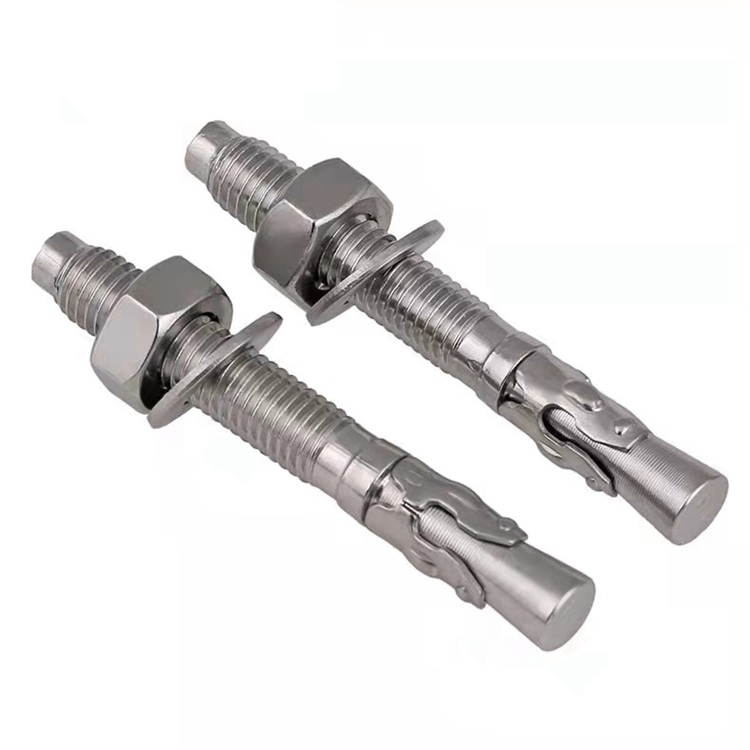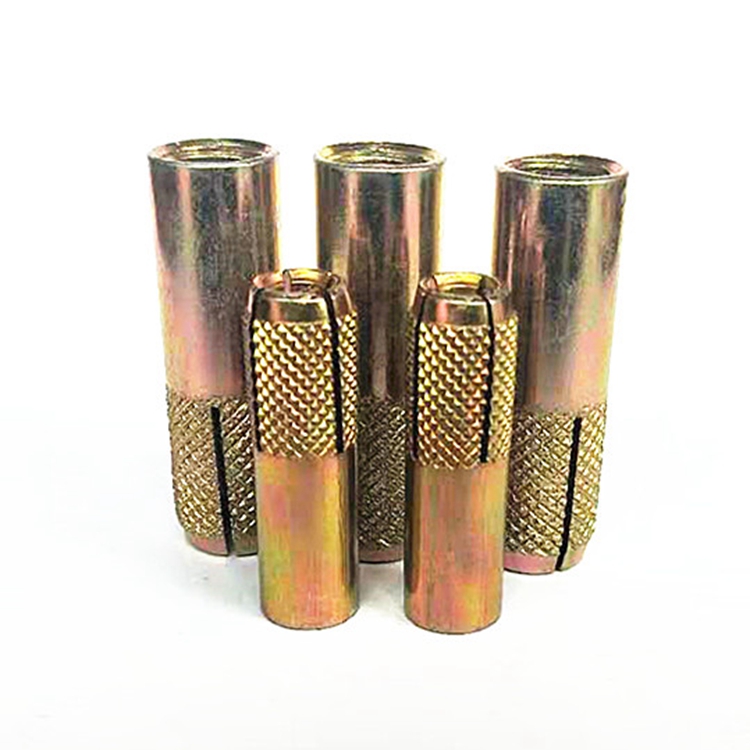
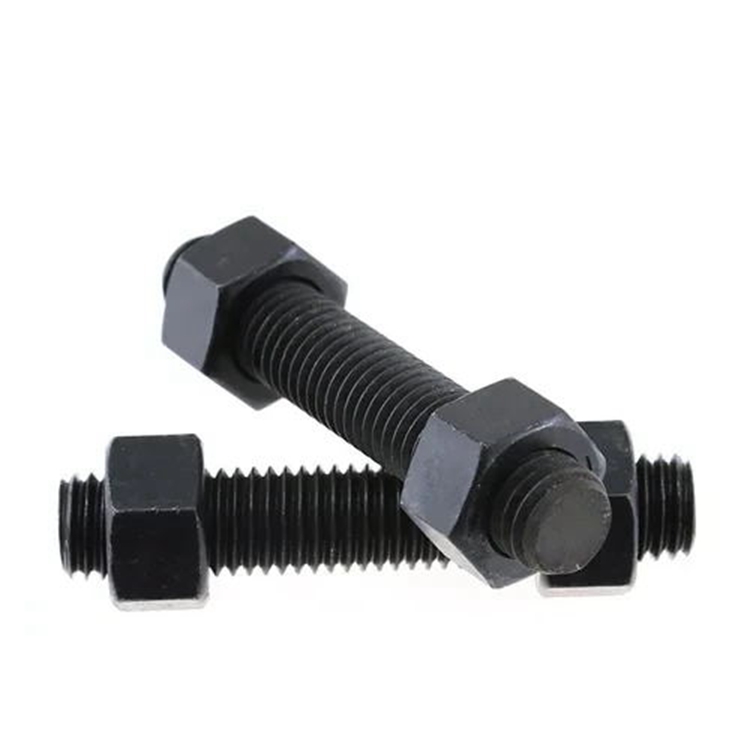
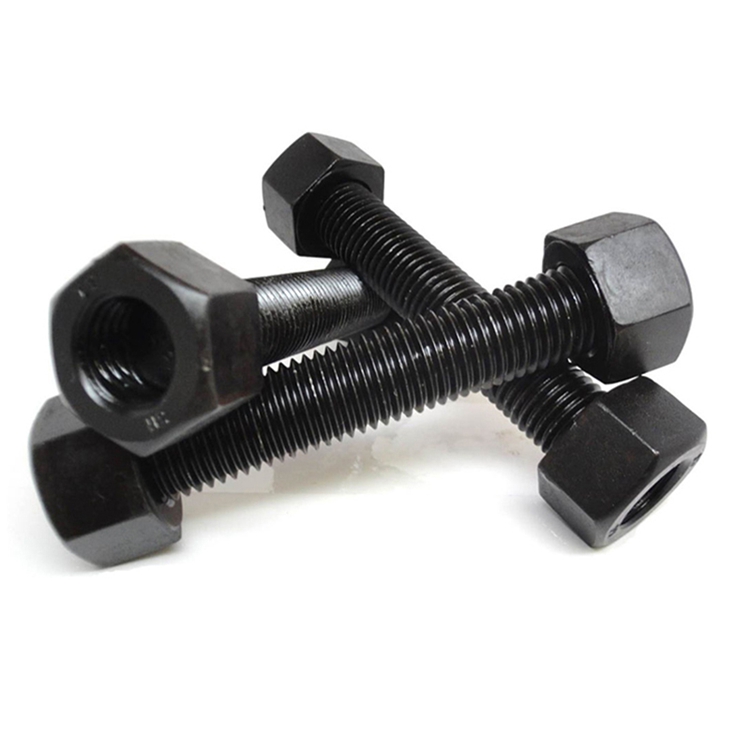
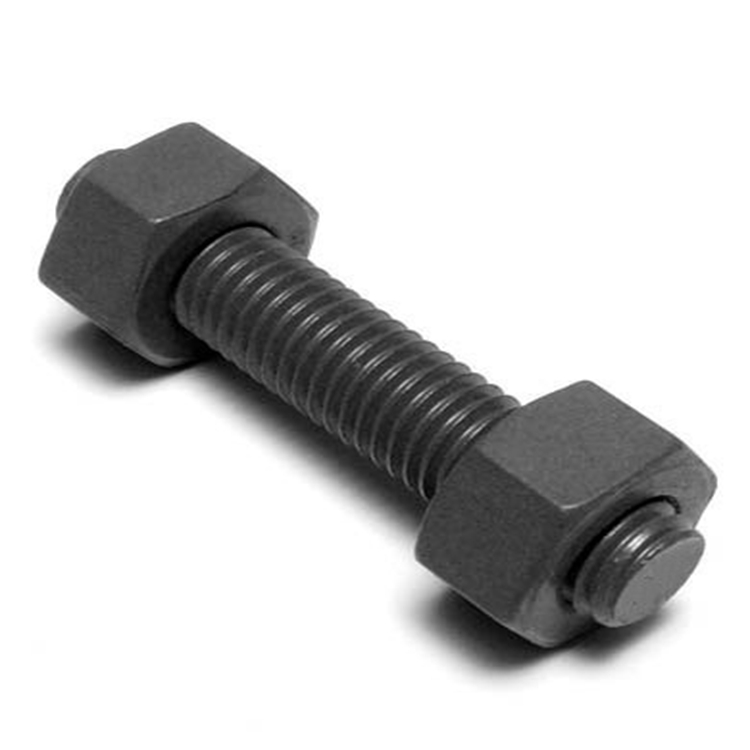
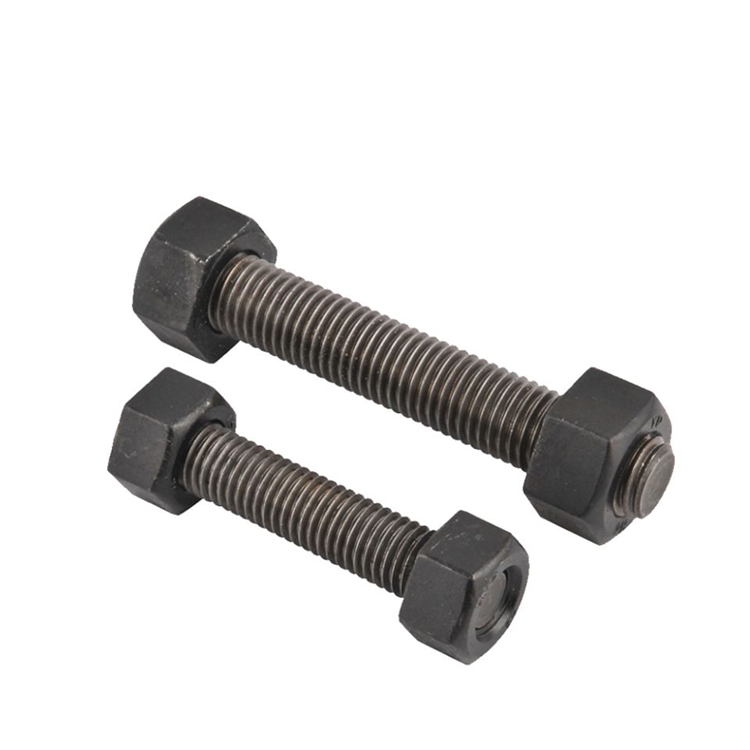
A193-B7/A194-2H BLACK STUD BOLTS
Fully threaded rods are standard, readily available fasteners used across multiple construction applications. They are continuously threaded from one end to the other and are commonly known as fully threaded rods, redi rod, TFL rod (Thread Full Length), ATR (All thread rod), and other names and acronyms.
Fully threaded rods are standard, readily available fasteners used across multiple construction applications. They are continuously threaded from one end to the other and are commonly known as fully threaded rods, redi rod, TFL rod (Thread Full Length), ATR (All thread rod), and other names and acronyms.
Product Introduction
Fully threaded rods are widely used, readily available fasteners used in various construction applications. The rod is continuously threaded from one end to the other and is commonly referred to as fully threaded rod, Redi Rod, TFL rod (Thread Full Length), ATR (All-thread rod), and by many other names and acronyms. These rods are typically stocked and sold in lengths of 3′, 6′, 10′, and 12′, or they can be cut to a specific length. All-thread rod cut to shorter lengths is often referred to as studs or fully threaded studs.
Fully threaded studs have no head, are threaded along their entire length, and offer higher tensile strength. These studs are typically secured using two nuts and used for applications that require quick assembly and disassembly. Used as a pin to connect two components, threaded rods are used to fasten both wood and metal. Fully threaded rods are available in anti-corrosion stainless steel, alloy steel, and carbon steel, helping ensure the structure does not weaken due to rust.
Applications
Fully threaded rods are used in many construction applications. The rods can be installed in existing concrete slabs and used as epoxy anchors. Short studs may be coupled with another fastener to extend the required length. All-thread can also be used as an alternative to anchor rods, for pipe flange connections, and as double-arming bolts in the pole-line industry. There are many other construction uses for all-thread rod and fully threaded studs that are not listed here.
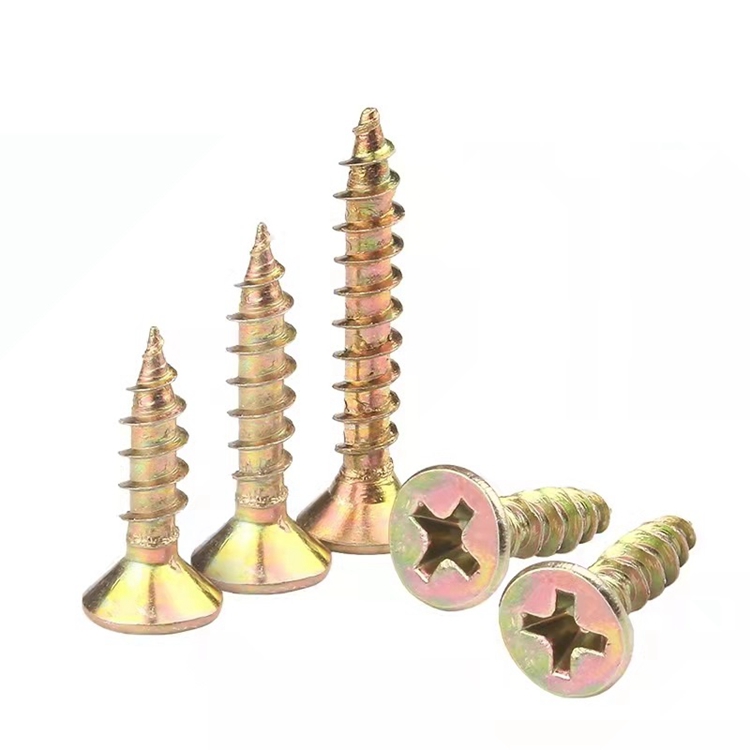
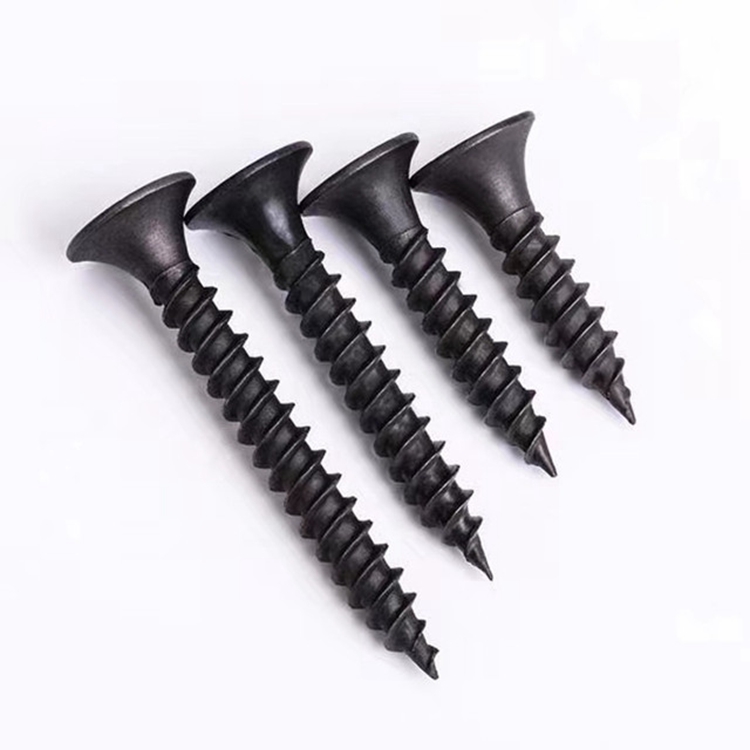
Black-oxide steel screws provide mild corrosion resistance in dry environments. Zinc-plated steel screws resist corrosion in wet environments. Black, ultra-corrosion-resistant-coated steel screws resist chemicals and withstand 1,000 hours of salt-spray exposure. Coarse threads are the industry standard—choose these screws if you do not know the threads per inch. Fine and extra-fine threads are more closely spaced to help prevent loosening due to vibration; the finer the thread, the better the resistance.
Grade 2 bolts are commonly used in construction for joining wood components. Grade 4.8 bolts are used in small engines. Grade 8.8, 10.9, and 12.9 bolts offer high tensile strength. One advantage bolts have over welds or rivets is that they allow for easy disassembly for repairs and maintenance.
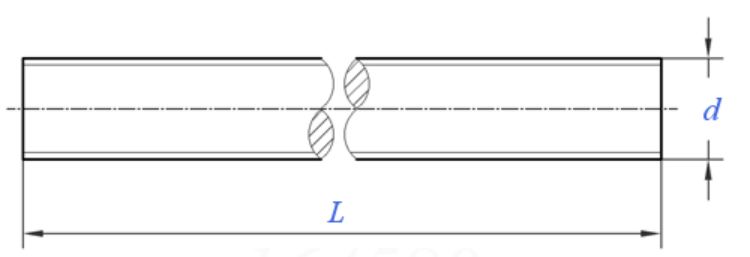
|
Threaded Specifications d |
M2 |
M2.5 |
M3 |
(M3.5) |
M4 |
M5 |
M6 |
M8 |
M10 |
M12 |
(M14) |
M16 |
(M18) |
|||||||||||||
|
P |
Coarse thread |
0.4 |
0.45 |
0.5 |
0.6 |
0.7 |
0.8 |
1 |
1.25 |
1.5 |
1.75 |
2 |
2 |
2.5 |
||||||||||||
|
Closely pitched |
/ |
/ |
/ |
/ |
/ |
/ |
1 |
1.25 |
1.5 |
1.5 |
1.5 |
1.5 |
||||||||||||||
|
Closely pitched |
/ |
/ |
/ |
/ |
/ |
/ |
1 |
1.25 |
/ |
/ |
/ |
|||||||||||||||
|
Thousand-piece weight (steel), kg |
18.7 |
30 |
44 |
60 |
78 |
124 |
177 |
319 |
500 |
725 |
970 |
1330 |
1650 |
|||||||||||||
|
Threaded Specifications d |
M20 |
(M22) |
M24 |
(M27) |
M30 |
(M33) |
M36 |
(M39) |
M42 |
(M45) |
M48 |
(M52) |
||||||||||||||
|
P |
Coarse thread |
2.5 |
2.5 |
3 |
3 |
3.5 |
3.5 |
4 |
4 |
4.5 |
4.5 |
5 |
5 |
|||||||||||||
|
Closely pitched |
1.5 |
1.5 |
2 |
2 |
2 |
2 |
3 |
3 |
3 |
3 |
3 |
3 |
||||||||||||||
|
Closely pitched |
/ |
/ |
/ |
/ |
/ |
/ |
/ |
/ |
/ |
/ |
/ |
/ |
||||||||||||||
|
Thousand-piece weight (steel), kg |
2080 |
2540 |
3000 |
3850 |
4750 |
5900 |
6900 |
8200 |
9400 |
11000 |
12400 |
14700 |
||||||||||||||