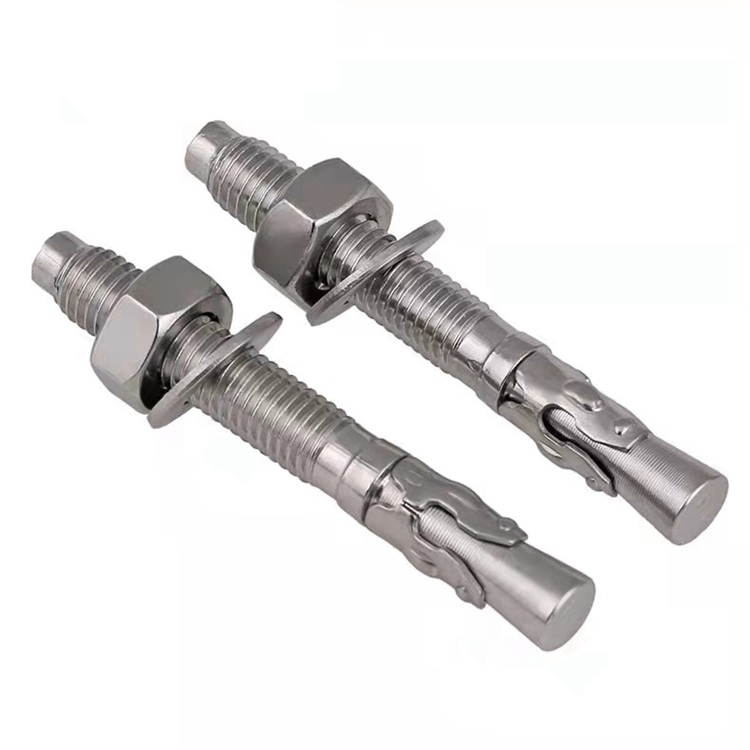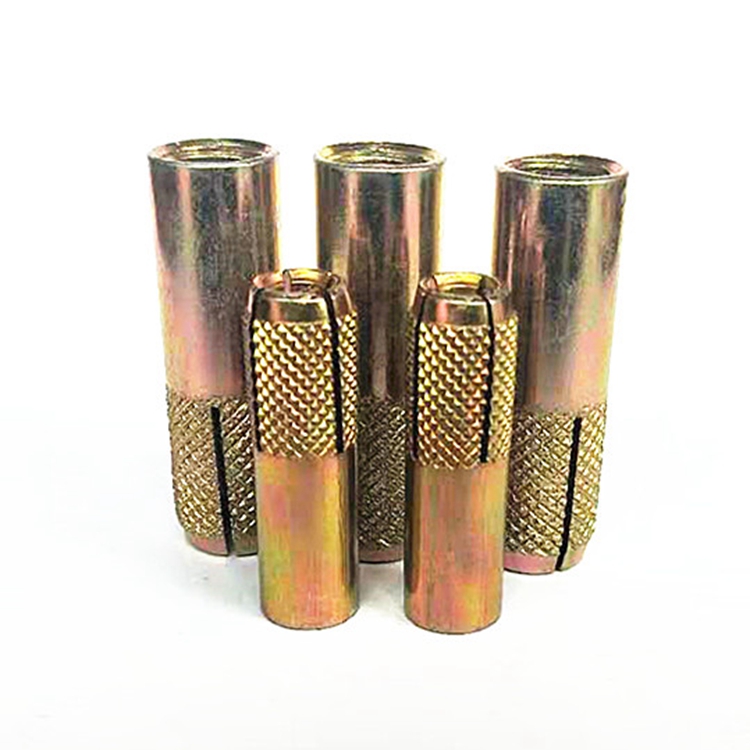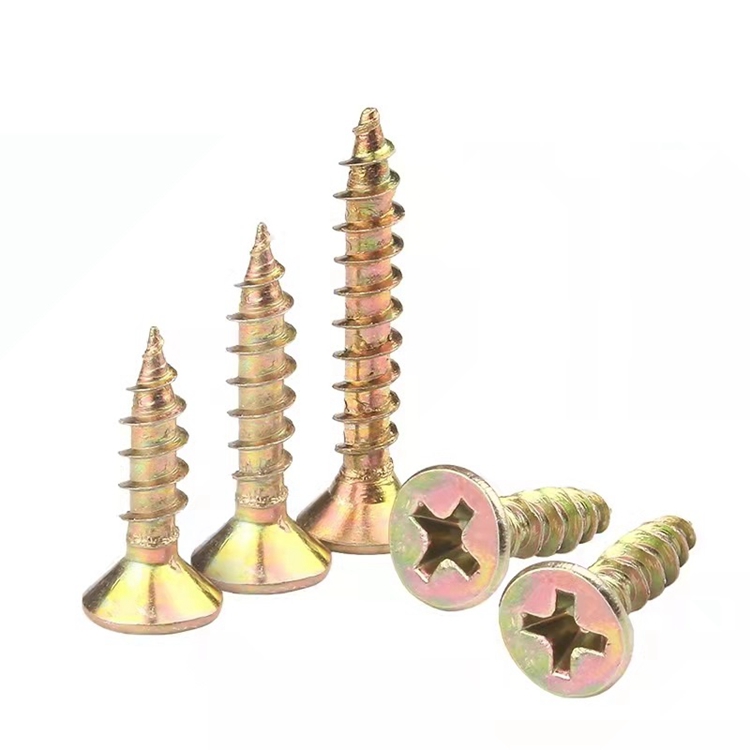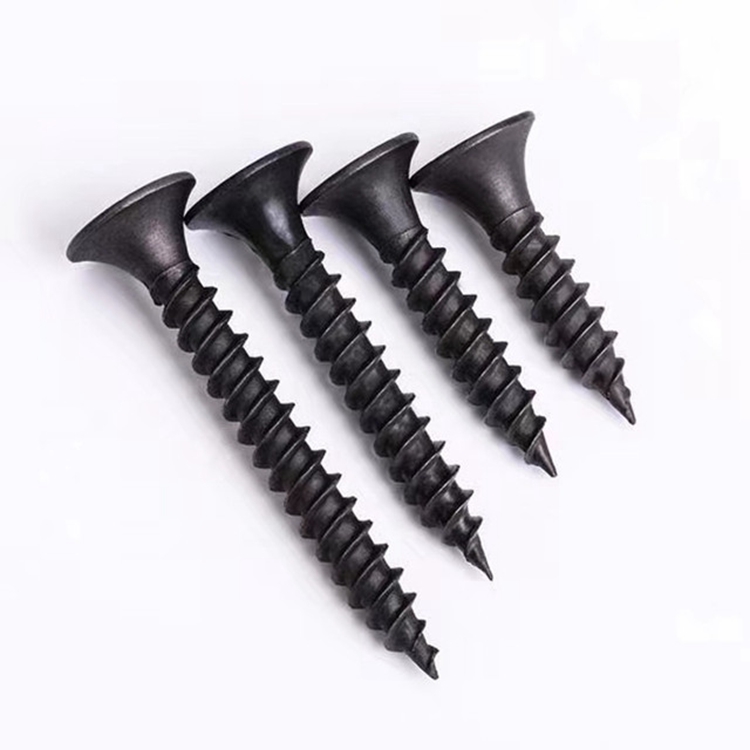
Double end stud bolts
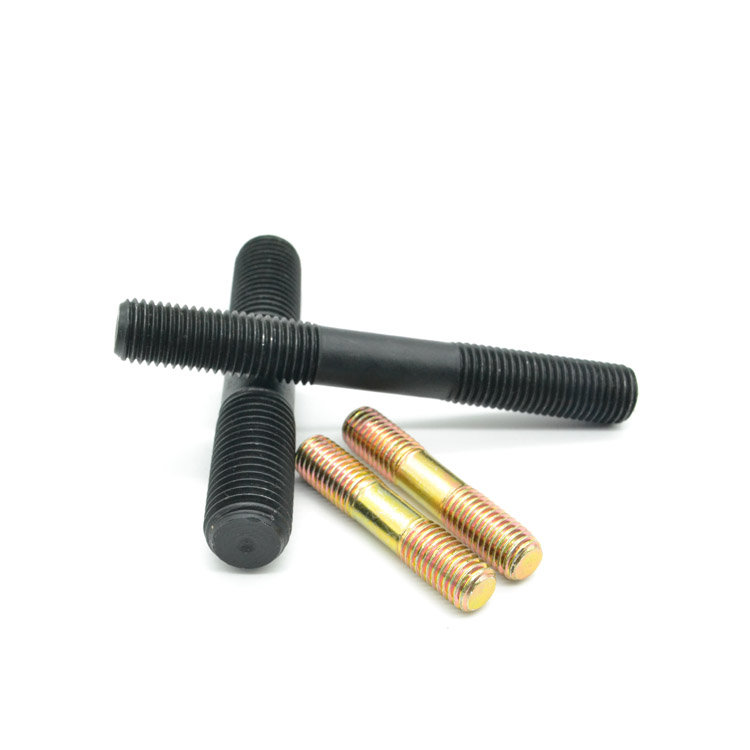
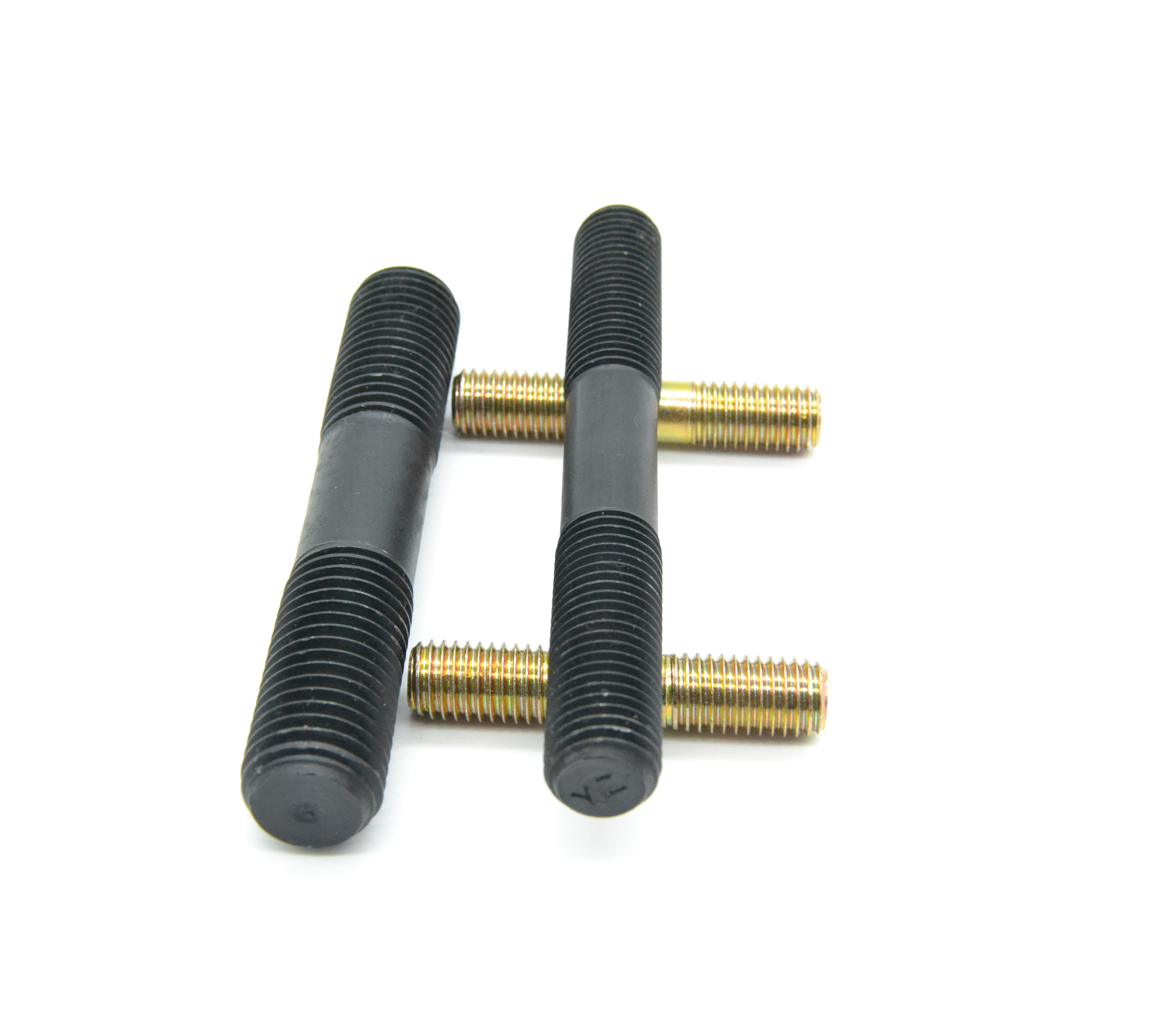
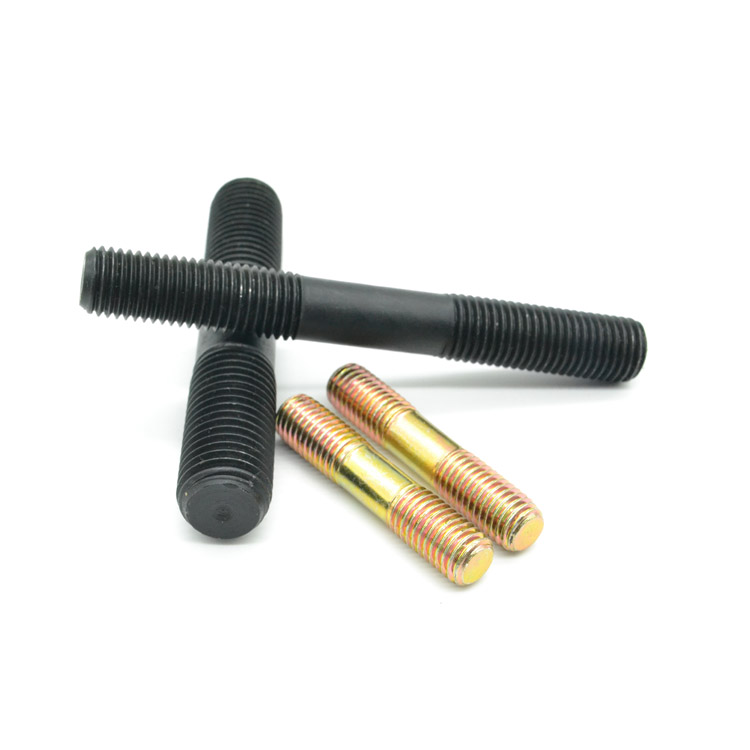
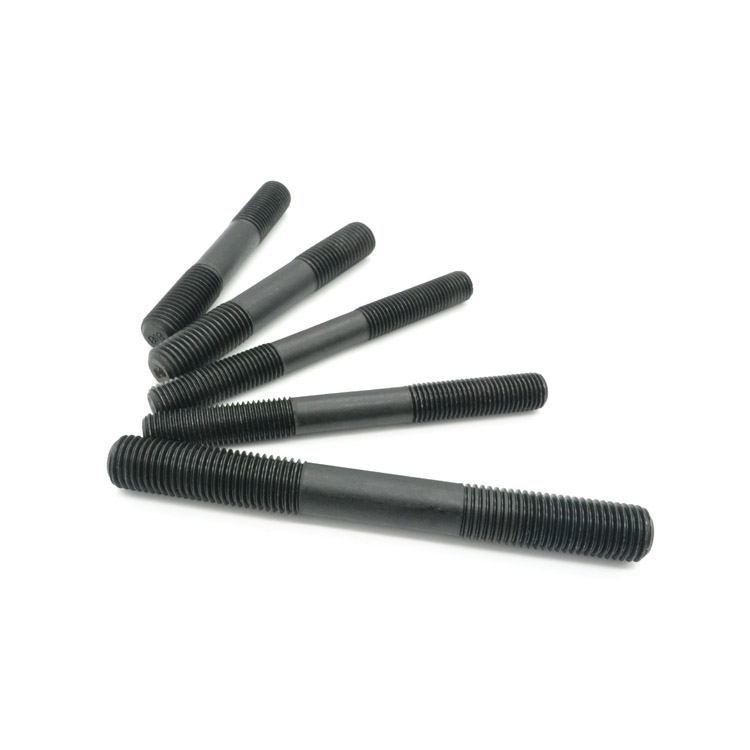
Double end stud bolts are threaded fasteners with a thread on both ends and an unthreaded section in between. They are used wherever a two-ended threaded connection is required.
Double end stud bolts are threaded fasteners with a thread on both ends and an unthreaded section in between. They are used wherever a two-ended threaded connection is required.
Product Introduction
Double-end stud bolts are threaded fasteners with thread on both ends and an unthreaded section between the two threaded portions. Both ends feature chamfered tips; however, round tips may be supplied on one or both ends at the manufacturer’s option.
Double-end stud bolts are designed for applications where one threaded end is installed in a tapped hole and a hex nut is used on the other end to clamp a fixture to the surface into which the stud has been threaded.
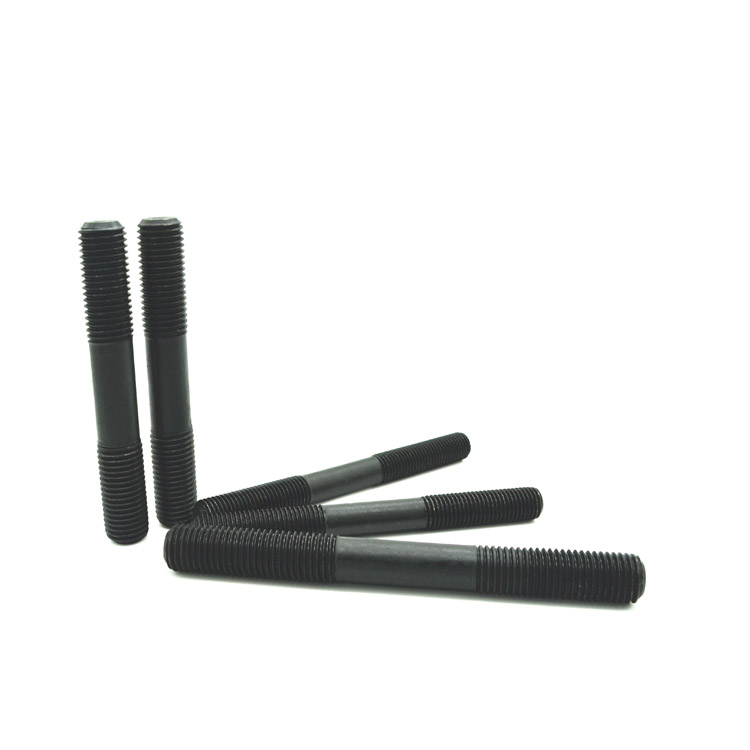
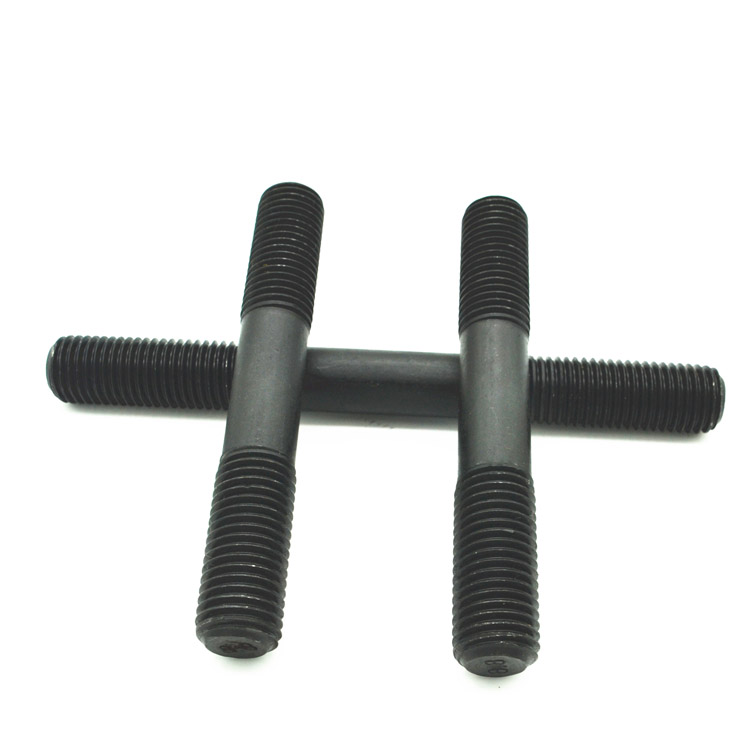
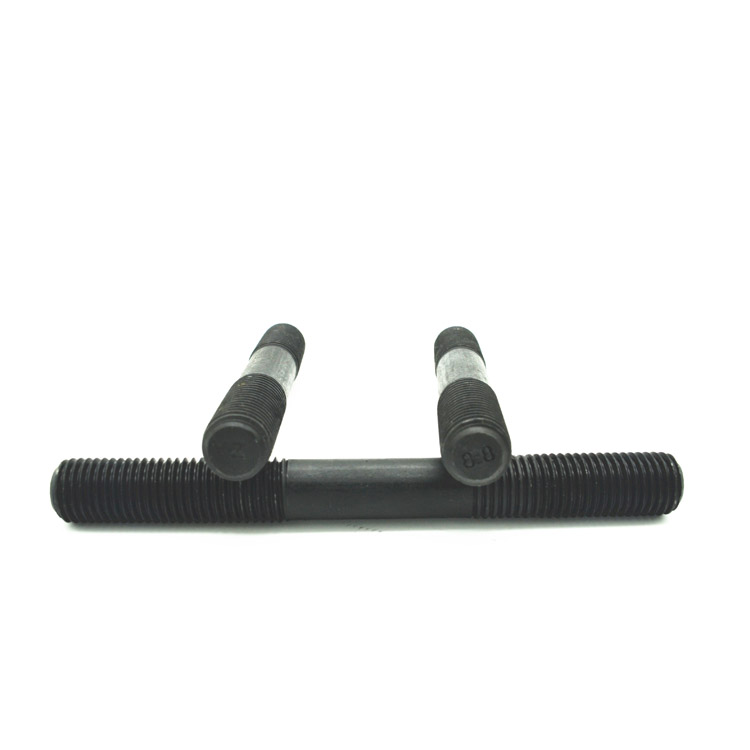
Another name sometimes used for double-end studs is tap-end studs. A tap-end stud has different thread lengths on both ends. It includes one short thread intended for use in a tapped hole.
Double-end stud bolts are widely used in repair and construction work. They are available in a broad range of sizes for custom applications based on required dimensions. These double-end stud bolts are made from anti-corrosion stainless steel, alloy steel, and carbon steel to help prevent structural weakening due to rust.
Applications
Double-end stud bolts can be used for a wide range of applications, including fastening wood, steel, and other construction materials for construction, plumbing fittings, metal fabrication, and machinery repair projects. Black-oxide steel bolts provide mild corrosion resistance in dry environments. Zinc-plated steel bolts resist corrosion in wet environments. Black, ultra-corrosion-resistant coated steel bolts resist chemicals and can withstand 1,000 hours of salt spray.
Coarse threads are the industry standard. Select these bolts if you do not know the threads per inch. Fine and extra-fine threads are closely spaced to help prevent loosening caused by vibration; the finer the thread, the better the resistance.
Grade 2 bolts are typically used in construction for joining wood components. Grade 4.8 bolts are used in small engines. Grade 8.8, 10.9, or 12.9 bolts provide high tensile strength. One advantage of bolted fasteners over welds or rivets is that they allow for easy disassembly for repairs and maintenance.
|
Threaded size d |
M2 |
M2.5 |
M3 |
M4 |
M5 |
M6 |
M8 |
M10 |
M12 |
(M14) |
M16 |
|
P |
pitch |
0.4 |
0.45 |
0.5 |
0.7 |
0.8 |
1 |
1.25 |
1.5 |
1.75 |
2 |
2 |
bm |
nominal |
4 |
5 |
6 |
8 |
10 |
12 |
16 |
20 |
24 |
28 |
32 |
least value |
3.4 |
4.4 |
5.4 |
7.25 |
9.25 |
11.1 |
15.1 |
18.95 |
22.95 |
26.95 |
30.75 |
|
crest value |
4.6 |
5.6 |
6.6 |
8.75 |
10.75 |
12.9 |
16.9 |
21.05 |
25.05 |
29.05 |
33.25 |
|
ds |
crest value |
2 |
2.5 |
3 |
4 |
5 |
6 |
8 |
10 |
12 |
14 |
16 |
least value |
1.75 |
2.25 |
2.75 |
3.7 |
4.7 |
5.7 |
7.64 |
9.64 |
11.57 |
13.57 |
15.57 |
|
Thousand pieces of steel weighs (kg) |
- |
- |
- |
- |
- |
- |
- |
- |
- |
- |
- |
|
Length of thread b |
- |
- |
- |
- |
- |
- |
- |
- |
- |
- |
- |
|
|
Threaded size d |
(M18) |
M20 |
(M22) |
M24 |
(M27) |
M30 |
(M33) |
M36 |
(M39) |
M42 |
M48 |
|
P |
pitch |
2.5 |
2.5 |
2.5 |
3 |
3 |
3.5 |
3.5 |
4 |
4 |
4.5 |
5 |
bm |
nominal |
36 |
40 |
44 |
48 |
54 |
60 |
66 |
72 |
78 |
84 |
96 |
least value |
34.75 |
38.75 |
42.75 |
46.75 |
52.5 |
58.5 |
64.5 |
70.5 |
76.5 |
82.25 |
94.25 |
|
crest value |
37.25 |
41.25 |
45.25 |
49.25 |
55.5 |
61.5 |
67.5 |
73.5 |
79.5 |
85.75 |
97.75 |
|
ds |
crest value |
18 |
20 |
22 |
24 |
27 |
30 |
33 |
36 |
39 |
42 |
48 |
least value |
17.57 |
19.48 |
21.48 |
23.48 |
26.48 |
29.48 |
32.38 |
35.38 |
38.38 |
41.38 |
47.38 |
|
Thousand pieces of steel weighs (kg) |
- |
- |
- |
- |
- |
- |
- |
- |
- |
- |
- |
|
Length of thread b |
- |
- |
- |
- |
- |
- |
- |
- |
- |
- |
- |
|