
Comprehensive Guide to Stainless Steel Eye Bolts for Industrial Applications
Jan . 27, 2026 21:05 Back to list
Comprehensive Guide to Stainless Steel Eye Bolts for Industrial Applications
Stainless Steel Eye Bolts: A Comprehensive Guide
When it comes to lifting, securing, and connecting in various industrial and marine applications, stainless steel eye bolts are indispensable. These robust fasteners offer exceptional strength, corrosion resistance, and versatility. This article provides an in-depth look at stainless steel eye bolts, covering their types, applications, materials, and crucial considerations for selection and safe usage. Choosing the right eye bolt is critical for ensuring safety and preventing potential failures.
Understanding Stainless Steel Eye Bolts
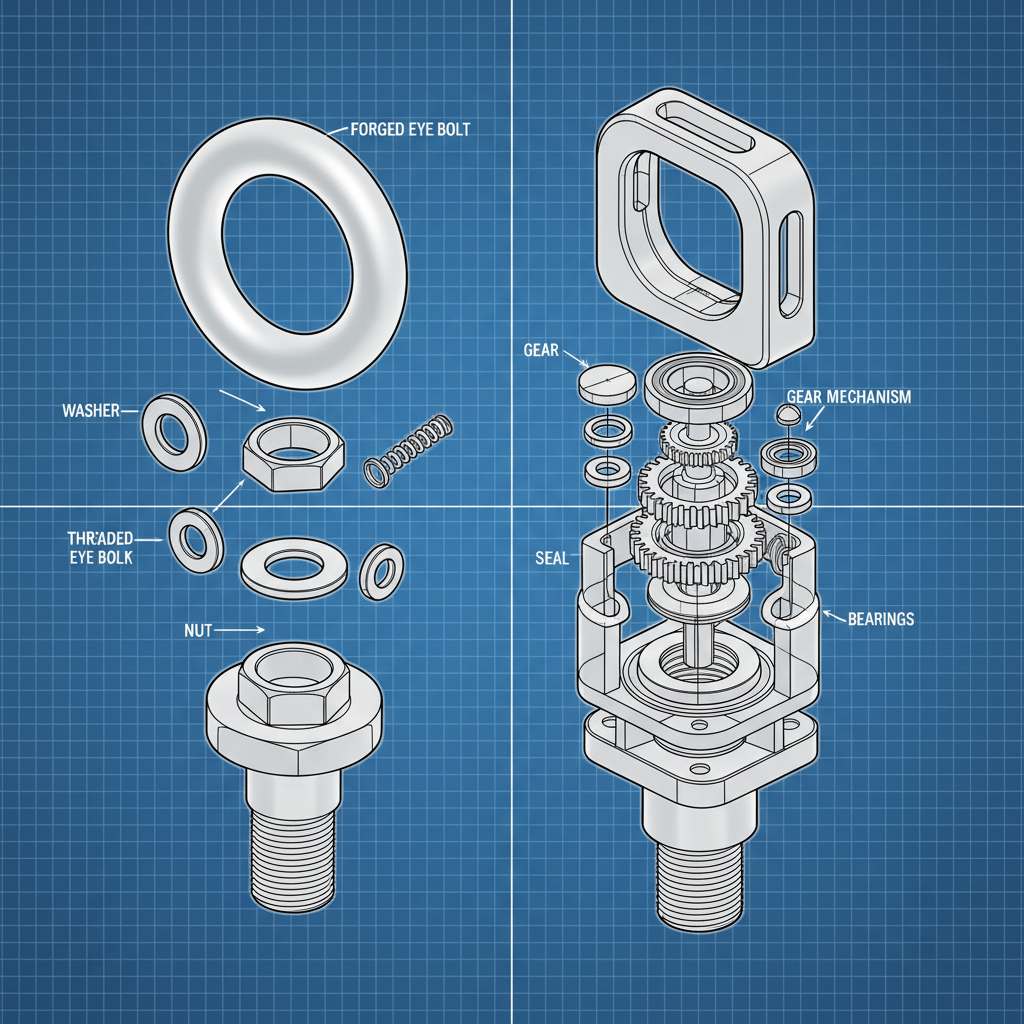
Stainless steel eye bolts are fasteners characterized by a looped head, providing a secure attachment point for ropes, cables, slings, or other lifting devices. Their construction from stainless steel ensures resistance to corrosion, making them ideal for outdoor environments, marine applications, and chemical processing plants. Different types of eye bolts cater to specific loading requirements. Common types include straight eye bolts, shoulder eye bolts, and swivel eye bolts. Each type is designed to handle different load directions and applications, and understanding these differences is key to selecting the right component for the job.
Key Features: Corrosion resistance, high strength, versatility, variety of types for specific applications, durable and long-lasting.
Types of Stainless Steel Eye Bolts
Several types of stainless steel eye bolts are available, each engineered for specific purposes. Straight eye bolts are the most common and are suitable for inline pulls. Shoulder eye bolts, featuring a shoulder between the eye and the threaded portion, reduce stress on the attachment point when not loaded in line. Swivel eye bolts allow for rotation, accommodating movement and preventing twisting of attached rigging. Choosing the appropriate type depends on the direction of the load and the need for swivel functionality. Consider the working load limit (WLL) for each type before selection. You can find a wide variety of stainless steel eye bolts at YZ Fastener.
Eye Bolt Type Comparison:
• Straight Eye Bolt: Inline pulls only.
• Shoulder Eye Bolt: Reduced stress on attachment point; suitable for angular loads.
• Swivel Eye Bolt: Allows rotation, preventing twisting.
Stainless Steel Grades and Their Applications
The grade of stainless steel used in eye bolts directly impacts their corrosion resistance and strength. 304 stainless steel is a common choice for general-purpose applications, offering good corrosion resistance and weldability. 316 stainless steel, containing molybdenum, provides superior corrosion resistance, particularly in chloride-rich environments like marine applications. Choosing the right grade is vital for ensuring long-term reliability and safety. Lower-grade materials may corrode quickly, leading to failure. YZ Fastener offers eye bolts in various stainless steel grades to meet diverse requirements.
Applications of Stainless Steel Eye Bolts
Stainless steel eye bolts find application across numerous industries. Marine environments utilize them extensively for mooring, rigging, and securing equipment. Construction projects employ them for lifting materials and securing structures. Chemical processing plants rely on their corrosion resistance for handling corrosive substances. Other applications include rigging, towing, and securing loads in transportation. Their versatility and durability make them a critical component in diverse industrial settings.
Safety Considerations and Best Practices
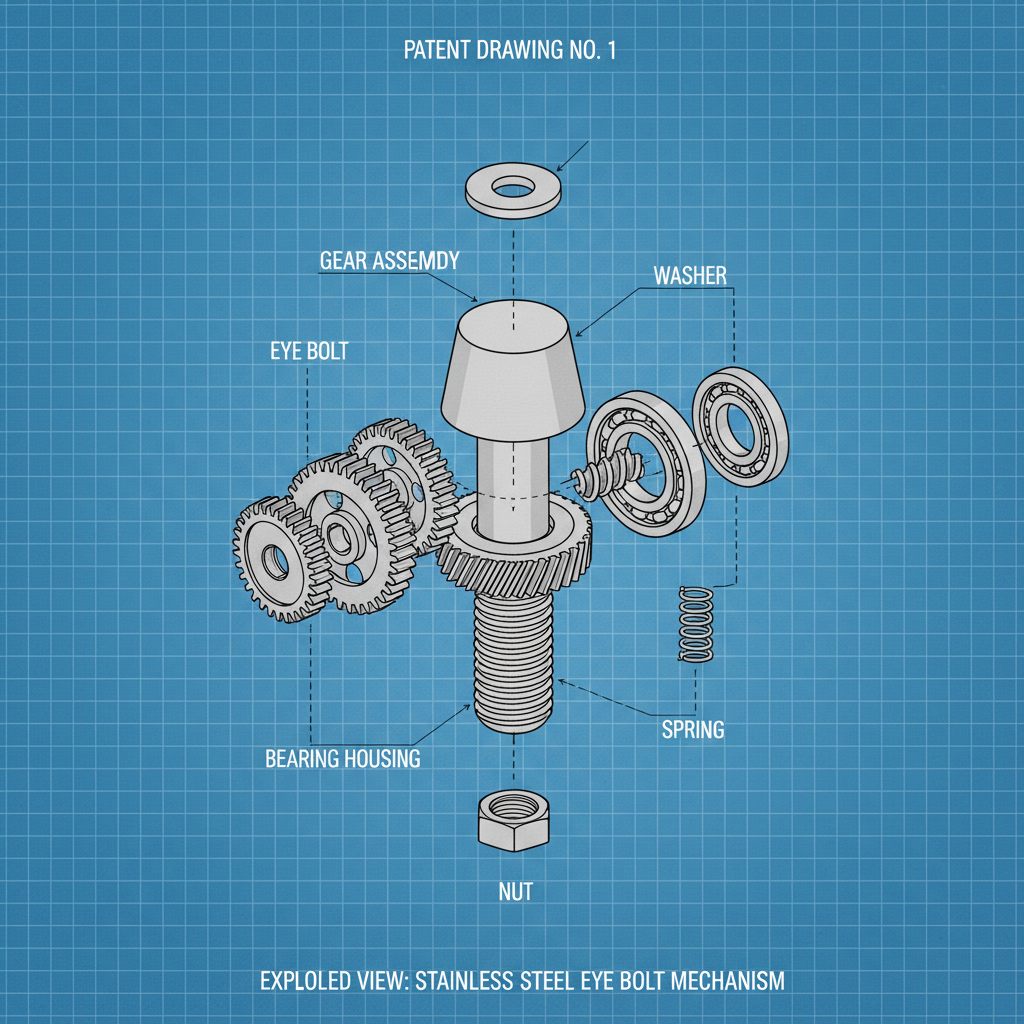
Using stainless steel eye bolts safely requires careful consideration. Always select an eye bolt with a working load limit (WLL) that exceeds the intended load. Inspect eye bolts regularly for signs of damage, corrosion, or wear. Ensure the eye bolt is fully threaded into the receiving hole and properly secured. Avoid shock loading and side loading, as these can significantly reduce the load capacity. Consult with a qualified engineer or rigging professional if you are unsure about the appropriate eye bolt for your application. Proper training and adherence to safety guidelines are crucial for preventing accidents. Explore the full range of high-quality eye bolts at YZ Fastener.
Conclusion: Choosing the Right Stainless Steel Eye Bolt
Selecting the appropriate stainless steel eye bolt is crucial for ensuring safety and efficiency in various applications. By understanding the different types, materials, and safety considerations outlined in this guide, you can make informed decisions and choose the right fastener for your needs. Investing in quality eye bolts from a reputable supplier like YZ Fastener is an investment in safety and long-term reliability.
Frequently Asked Questions (FAQs)
What is the Working Load Limit (WLL) and why is it important?
The Working Load Limit (WLL) is the maximum load that an eye bolt can safely handle under ideal conditions. It is crucial to never exceed the WLL, as doing so can lead to failure and potential accidents. The WLL is typically stamped on the eye bolt itself and is determined by the material, size, and design of the fastener. Always factor in a safety margin when selecting an eye bolt to ensure it can handle the intended load, even with unforeseen stresses or dynamic forces. Always consult the manufacturer's specifications for accurate WLL information.
How often should I inspect eye bolts?
Eye bolts should be inspected regularly, ideally before each use. Look for signs of wear, corrosion, damage to the threads, deformation of the eye, and cracks. If any defects are found, the eye bolt should be immediately removed from service and replaced. Formal, documented inspections should be conducted periodically by a qualified person. Keep a record of these inspections for traceability and compliance purposes.
Can I use an eye bolt with a damaged thread?
No, an eye bolt with a damaged thread should never be used. Damaged threads compromise the integrity of the connection and can lead to failure under load. The threads are crucial for properly distributing the load and ensuring a secure attachment. Replacing a damaged eye bolt is the only safe course of action. Do not attempt to repair damaged threads, as this can further weaken the fastener.
What is the difference between a forged and a cast eye bolt?
Forged eye bolts are generally stronger and more reliable than cast eye bolts. Forging involves shaping the metal under high pressure, resulting in a denser, more uniform structure. Cast eye bolts are made by pouring molten metal into a mold, which can result in porosity and weaknesses. For critical applications where high strength is essential, forged eye bolts are the preferred choice. Cast eye bolts are typically used in less demanding applications.
Latest news
-
Comprehensive Guide to Selecting the Best Bolts for Trailer Deck Applications
NewsFeb.24,2026
-
Comprehensive Guide to Aluminum Carriage Bolts for Diverse Applications
NewsFeb.11,2026
-
Comprehensive Guide to Allen Wrench Bolts Applications and Selection
NewsJan.30,2026
-
A Detailed Guide to Conquering FFXIV Chi Bolts in Dragonsong’s Reprise
NewsJan.28,2026
-
Comprehensive Guide to Eye Lag Bolts for Industrial and Construction Applications
NewsJan.28,2026
-
Comprehensive Guide to Stainless Steel Eye Bolts for Industrial Applications
NewsJan.27,2026
