
Comprehensive Guide to Eye Lag Bolts for Industrial and Construction Applications
Jan . 28, 2026 10:56 Back to list
Comprehensive Guide to Eye Lag Bolts for Industrial and Construction Applications
Understanding Eye Lag Bolts: A Comprehensive Guide
When it comes to secure fastening solutions for various industrial and construction applications, eye lag bolts stand out as a reliable and versatile choice. These bolts, characterized by their looped head, offer unique advantages in situations requiring a strong and dependable connection. This article will delve into the features, applications, and benefits of eye lag bolts, providing a thorough overview for engineers, contractors, and anyone seeking a robust fastening solution. Choosing the right fastener is critical for project safety and longevity. We'll explore why YZ Fastener's eye lag bolts are trusted across industries.
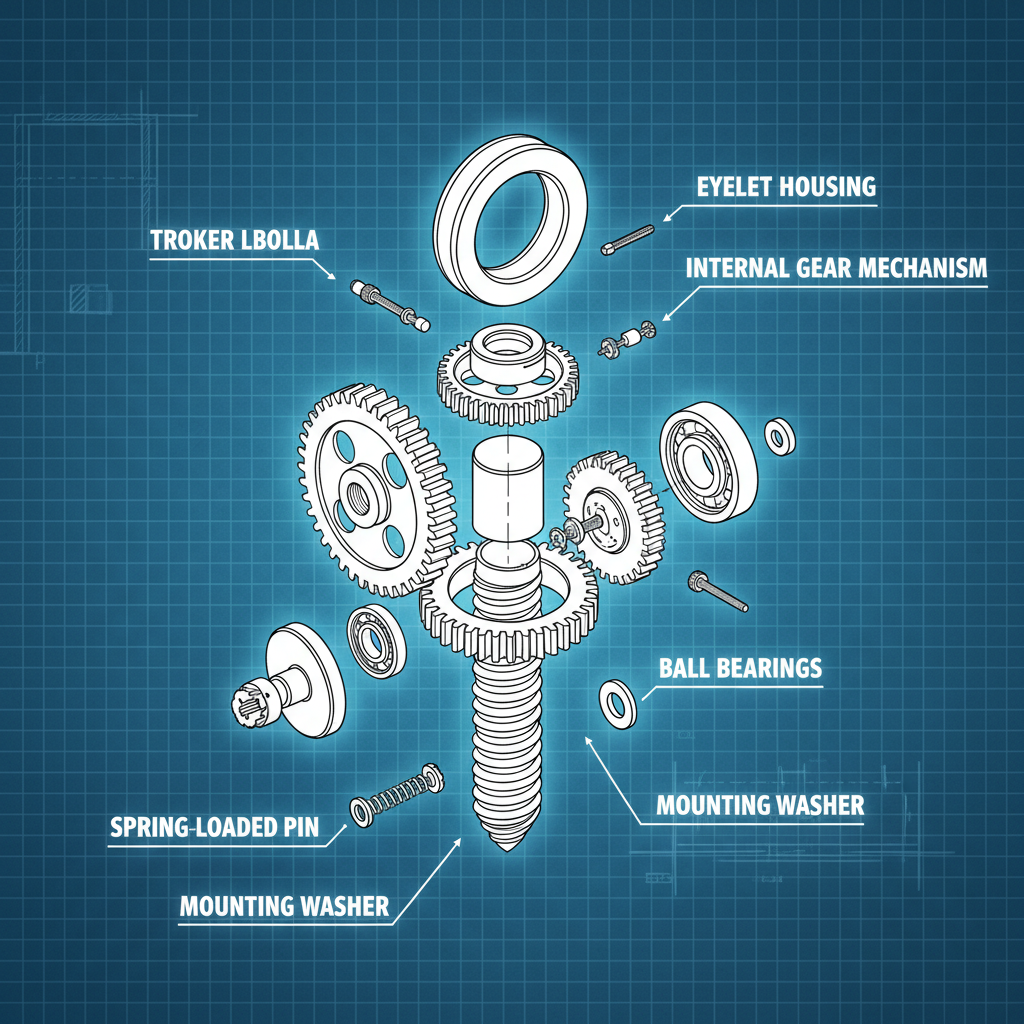
What are Eye Lag Bolts?
Eye lag bolts, also known as ring lag bolts, are a type of heavy-duty lag screw featuring a closed loop or eye at the head. This unique design allows for easy attachment with ropes, cables, chains, or other connecting hardware. Unlike standard lag bolts, the eye provides a pre-formed attachment point, eliminating the need for separate components like shackles or hooks. They are typically used in applications where a secure, swiveling connection is required, such as anchoring cables, creating tie-down points, and securing structures to wooden posts or beams. These bolts are commonly made from carbon steel, stainless steel, or galvanized steel to provide resistance to corrosion and ensure long-term durability.
Key Highlights: Featuring a closed loop or eye at the head for easy attachment. Suitable for anchoring cables, creating tie-down points, and securing structures. Available in carbon steel, stainless steel, or galvanized steel.
Applications of Eye Lag Bolts
The versatility of eye lag bolts makes them ideal for a wide range of applications. In construction, they're frequently used for anchoring timber frames, securing bracing, and creating tie-down points for scaffolding. Marine applications benefit from their corrosion resistance when used for mooring lines or securing boat fenders. Agricultural settings utilize them for fencing, gate hardware, and livestock shelters. Additionally, they find use in playground equipment, electrical grounding systems, and various industrial rigging setups. The YZ Fastener offers a wide range of sizes and materials to meet diverse project needs.
Common Applications:
• Construction: Timber framing, bracing, scaffolding tie-downs
• Marine: Mooring lines, fender attachments
• Agriculture: Fencing, gate hardware, livestock shelters
• Industrial: Rigging, lifting, and securing
Eye Lag Bolts vs. Standard Lag Bolts: A Comparison
While both eye lag bolts and standard lag bolts provide secure fastening, the key difference lies in their head design. Standard lag bolts require the use of additional hardware, such as shackles or hooks, to create a connection point for ropes or cables. Eye lag bolts eliminate this need with their integrated eye, simplifying installation and reducing the overall cost. This also reduces potential failure points associated with multiple components. Furthermore, the eye design allows for swivel motion, which is beneficial in applications where movement or rotation is required. A comparison chart highlights these distinctions:
Selecting the Right Eye Lag Bolt
Choosing the correct eye lag bolt involves considering several factors. The material (carbon steel, stainless steel, galvanized steel) should be appropriate for the environment. Stainless steel is ideal for corrosive environments, while galvanized steel offers good protection at a lower cost. The diameter and length of the bolt must be sufficient to provide adequate holding power. Always consult load charts and engineering specifications to ensure the bolt can safely handle the intended load. YZ Fastener's experienced team can help you select the optimal eye lag bolt for your application.
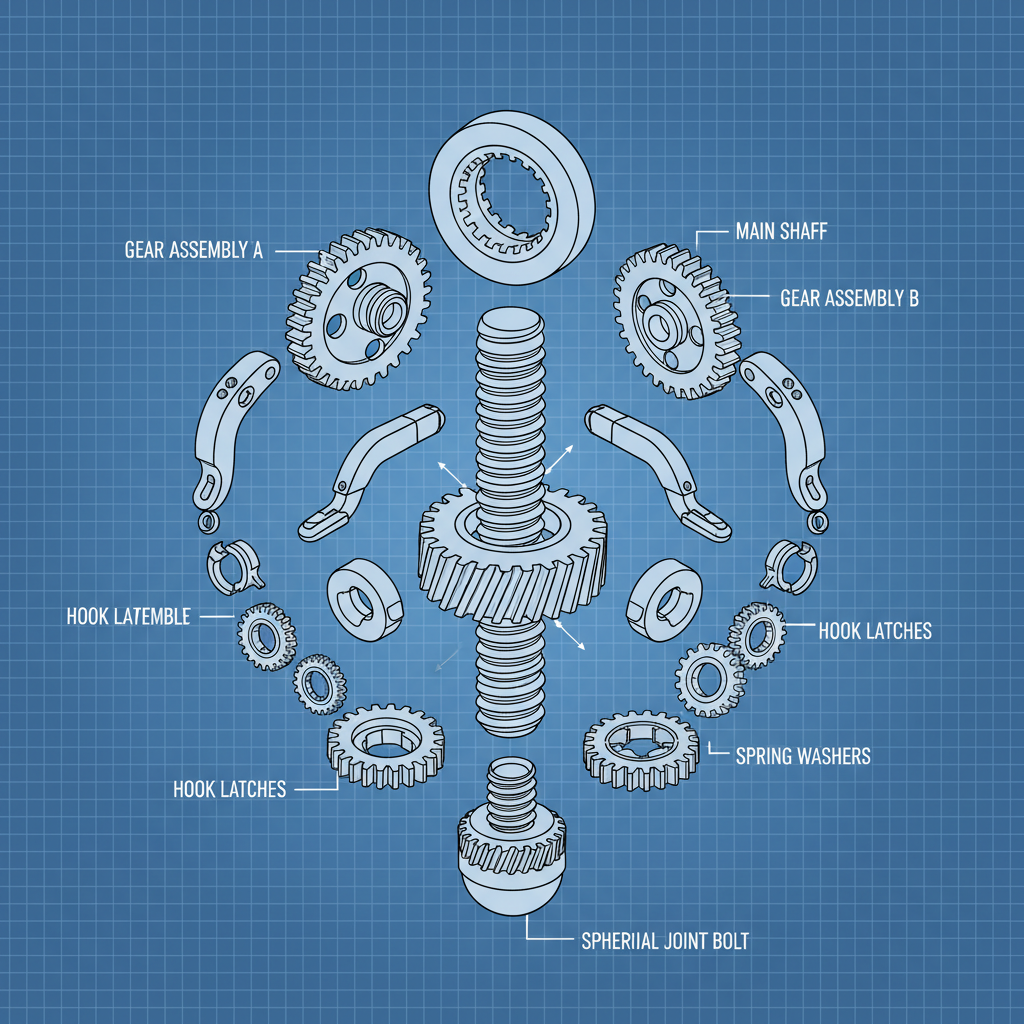
Product Specifications and Sizes Available at YZ Fastener
At YZ Fastener, we offer a comprehensive range of eye lag bolts to meet diverse needs. Here’s a look at some of the typical specifications and sizes we provide:
Conclusion: Secure Your Projects with YZ Fastener's Eye Lag Bolts
Investing in quality eye lag bolts from a trusted supplier like YZ Fastener ensures the reliability and longevity of your projects. Our wide selection of sizes and materials, combined with our commitment to quality and customer service, makes us the ideal partner for all your fastening needs. Don't compromise on safety – choose YZ Fastener for superior performance and peace of mind.
Frequently Asked Questions (FAQs)
What is the working load limit (WLL) of an eye lag bolt?
The working load limit (WLL) of an eye lag bolt varies significantly depending on its size, material, and grade. It's crucial to consult the manufacturer's specifications or a qualified engineer to determine the appropriate WLL for your application. Factors such as the angle of the load and the condition of the surrounding material also affect the WLL. Never exceed the stated WLL to ensure safety and prevent failure. YZ Fastener provides detailed specifications and load ratings for all our eye lag bolts.
How do I properly install an eye lag bolt?
Proper installation is critical for ensuring the eye lag bolt's effectiveness. First, pre-drill a pilot hole slightly smaller than the bolt's core diameter. This prevents splitting the wood. Next, drive the bolt in slowly and evenly, using a wrench or socket. Avoid over-tightening, as this can strip the threads or damage the surrounding material. Ensure the eye of the bolt is oriented in the desired direction before tightening. For optimal results, use a lubricant specifically designed for lag screws.
What materials are eye lag bolts typically made from?
Eye lag bolts are commonly manufactured from carbon steel, stainless steel, and galvanized steel. Carbon steel is the most economical option but is susceptible to corrosion. Stainless steel (grades 304 and 316) provides excellent corrosion resistance, making it ideal for outdoor or marine applications. Galvanized steel offers a good balance of cost and corrosion protection. The choice of material depends on the specific environment and application requirements.
Are eye lag bolts suitable for all types of wood?
While eye lag bolts can be used in various wood types, it's important to consider the wood's density and strength. Softer woods may require larger diameter bolts or the use of wood inserts to prevent stripping. Hardwoods generally provide better holding power. Always pre-drill a pilot hole to minimize the risk of splitting the wood, and choose a bolt length appropriate for the wood's thickness. Consult with a structural engineer for critical applications.
Latest news
-
Comprehensive Guide to Selecting the Best Bolts for Trailer Deck Applications
NewsFeb.24,2026
-
Comprehensive Guide to Aluminum Carriage Bolts for Diverse Applications
NewsFeb.11,2026
-
Comprehensive Guide to Allen Wrench Bolts Applications and Selection
NewsJan.30,2026
-
A Detailed Guide to Conquering FFXIV Chi Bolts in Dragonsong’s Reprise
NewsJan.28,2026
-
Comprehensive Guide to Eye Lag Bolts for Industrial and Construction Applications
NewsJan.28,2026
-
Comprehensive Guide to Stainless Steel Eye Bolts for Industrial Applications
NewsJan.27,2026
