
Comprehensive Guide to Aluminum Carriage Bolts for Diverse Applications
Feb . 11, 2026 01:55 Back to list
Comprehensive Guide to Aluminum Carriage Bolts for Diverse Applications
Understanding Aluminum Carriage Bolts: A Comprehensive Guide
Aluminum carriage bolts are a versatile fastening solution, commonly used in applications requiring a strong yet lightweight connection. Their unique head design and corrosion resistance make them ideal for a broad spectrum of industries, from marine construction to automotive assembly. This article delves into the properties, applications, advantages, and considerations when using aluminum carriage bolts, providing a comprehensive overview for engineers, buyers, and DIY enthusiasts. Proper selection and installation are key to ensuring a secure and long-lasting joint.
What are Aluminum Carriage Bolts?
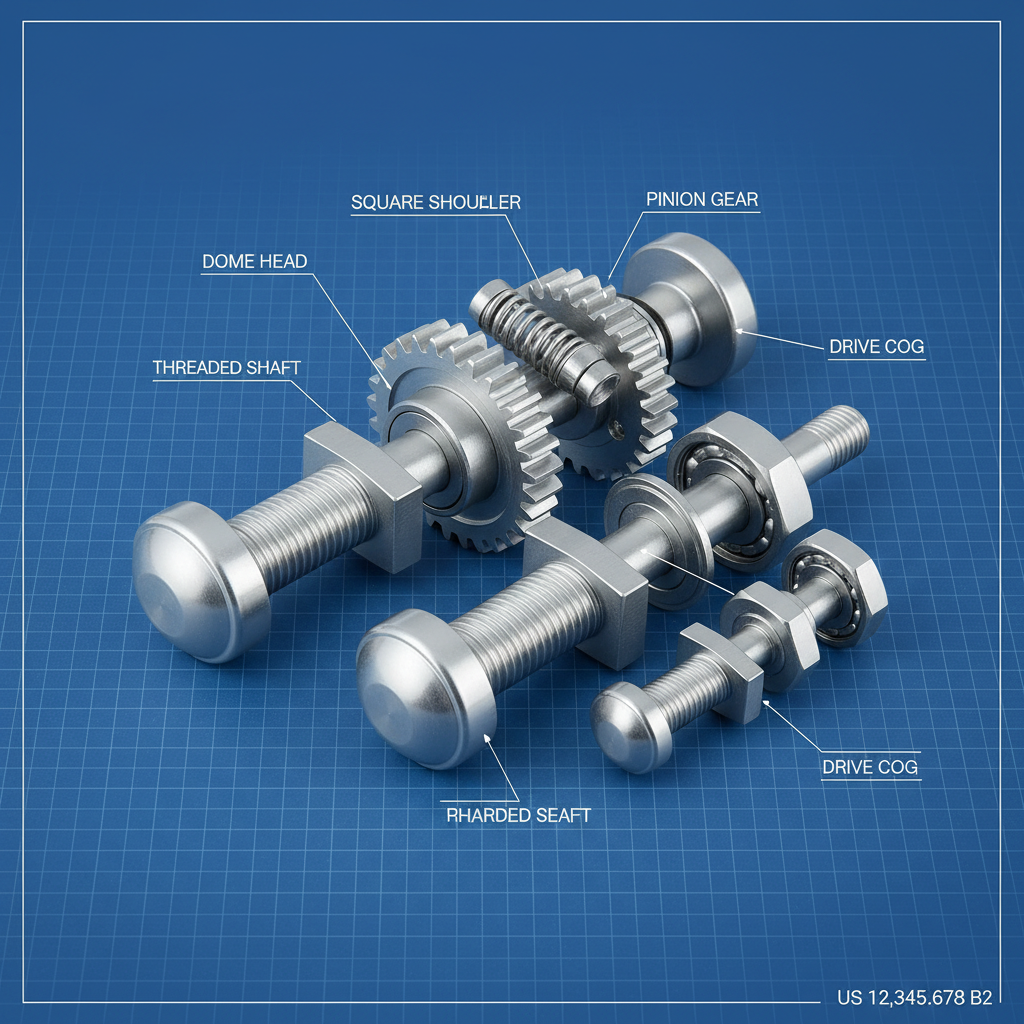
An aluminum carriage bolt is a type of fastener characterized by a round head with a square shoulder. This square shoulder is designed to embed into the material being fastened, preventing the bolt from turning while the nut is tightened. This feature is particularly useful in situations where access to the underside of the material is limited. Constructed from aluminum alloys, these bolts offer a favorable strength-to-weight ratio and excellent corrosion resistance, especially in comparison to steel. The aluminum alloy composition varies, impacting properties like tensile strength and yield strength. You can find high-quality carriage bolts tailored to your specifications at YZ Fastener.
Key Highlights: Aluminum carriage bolts feature a square shoulder under the head, preventing rotation during tightening. They offer excellent corrosion resistance and a lightweight design.
Aluminum vs. Steel Carriage Bolts: A Detailed Comparison
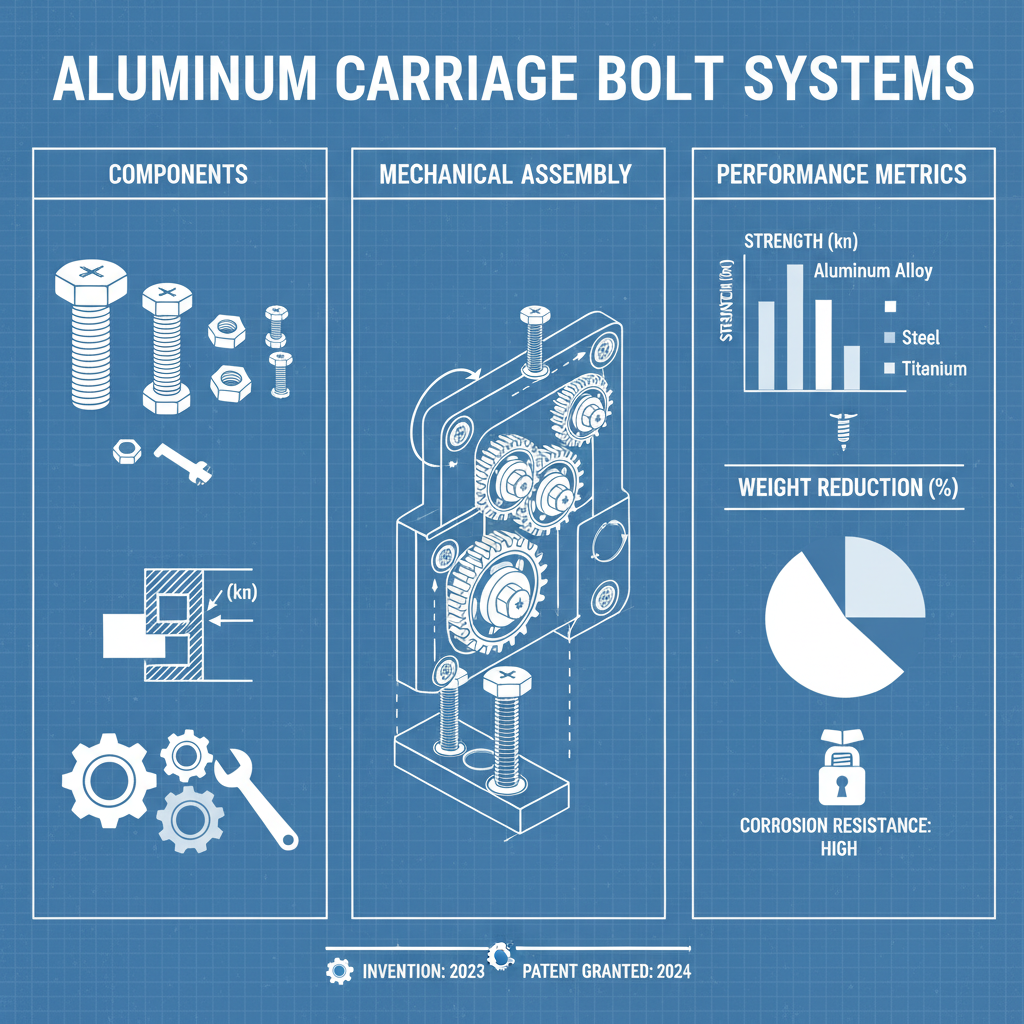
While steel carriage bolts are more common due to their lower cost, aluminum carriage bolts offer distinct advantages in specific applications. The key differences lie in material properties and performance characteristics. Aluminum provides superior corrosion resistance, making it ideal for marine environments or applications exposed to harsh chemicals. However, steel generally boasts higher tensile strength and shear strength. Choosing between the two depends heavily on the specific requirements of the project.
Common Applications of Aluminum Carriage Bolts
Due to their unique characteristics, aluminum carriage bolts find application across diverse industries. In the marine industry, their exceptional corrosion resistance makes them ideal for boat building and repair. The automotive sector uses them in non-structural applications where weight reduction is crucial. Furthermore, they are frequently employed in outdoor furniture, signage, and architectural applications where aesthetic appeal and durability are paramount. These bolts are also common in electrical equipment where non-conductive properties are desirable.
Key Application Areas:
• Marine Construction
• Automotive Assembly (non-structural)
• Outdoor Furniture
• Signage and Architectural Elements
Selecting the Right Aluminum Carriage Bolt
Choosing the correct aluminum carriage bolt involves considering several factors. First, determine the required diameter and length based on the materials being joined. Second, verify the appropriate alloy for the specific environment – 5052 and 6061 are common choices. Third, check the bolt’s finish (e.g., plain, anodized) to ensure compatibility with the application. Finally, ensure the bolt meets relevant industry standards and certifications. For consistent quality and a wide range of options, consider sourcing your fasteners from a reputable supplier like YZ Fastener.
Proper Installation and Maintenance of Aluminum Carriage Bolts
Correct installation is critical for ensuring the long-term reliability of aluminum carriage bolts. Ensure the surface is clean and free of debris before installation. Use a properly sized wrench to tighten the nut to the specified torque. Avoid over-tightening, as this can damage the bolt or the materials being fastened. Regular inspection for signs of corrosion or loosening is recommended, especially in harsh environments. Periodically re-tighten bolts as needed. Proper installation will maximize the bolt’s lifespan and prevent premature failure.
Conclusion: Choosing Aluminum Carriage Bolts for Optimal Performance
Aluminum carriage bolts are an excellent choice for applications requiring a lightweight, corrosion-resistant fastening solution. By understanding their properties, applications, and installation requirements, you can ensure a secure and long-lasting connection. For high-quality aluminum carriage bolts and expert guidance, visit YZ Fastener today.
Frequently Asked Questions (FAQs)
What are the common aluminum alloys used in carriage bolts?
The most common aluminum alloys used in carriage bolts are 5052 and 6061. 5052 offers excellent corrosion resistance, particularly in marine environments, making it ideal for applications exposed to saltwater. 6061, while also corrosion resistant, provides higher strength and is often preferred for structural applications where greater load-bearing capacity is needed. The choice depends on the specific environmental conditions and load requirements of the project. Selecting the appropriate alloy is crucial for long-term performance and reliability.
Can aluminum carriage bolts be used in direct contact with steel?
While aluminum carriage bolts can be used with steel, it's important to be aware of the potential for galvanic corrosion. This occurs when two dissimilar metals (aluminum and steel) are in contact in the presence of an electrolyte (like water or salt). To mitigate this, using a barrier material like a plastic washer or a corrosion-inhibiting coating can help prevent the electrochemical reaction. Alternatively, consider using stainless steel bolts if galvanic corrosion is a significant concern.
What torque should be applied when tightening aluminum carriage bolts?
The appropriate torque for tightening aluminum carriage bolts depends on the bolt's size, material, and the materials being fastened. Consult the manufacturer's specifications for the precise torque value. Over-tightening can strip the threads or damage the bolt, while under-tightening can lead to loosening and failure. Using a calibrated torque wrench is highly recommended to ensure accurate tightening. A general guideline is to refer to torque charts for aluminum fasteners, which provide recommended torque values based on bolt diameter and grade.
Where can I find high-quality aluminum carriage bolts?
You can find a comprehensive selection of high-quality aluminum carriage bolts at YZ Fastener. We offer a wide range of sizes, alloys, and finishes to meet your specific requirements. We are committed to providing reliable fasteners and excellent customer service. Browse our catalog or contact our team for assistance with your project needs.
Latest news
-
Comprehensive Guide to Selecting the Best Bolts for Trailer Deck Applications
NewsFeb.24,2026
-
Comprehensive Guide to Aluminum Carriage Bolts for Diverse Applications
NewsFeb.11,2026
-
Comprehensive Guide to Allen Wrench Bolts Applications and Selection
NewsJan.30,2026
-
A Detailed Guide to Conquering FFXIV Chi Bolts in Dragonsong’s Reprise
NewsJan.28,2026
-
Comprehensive Guide to Eye Lag Bolts for Industrial and Construction Applications
NewsJan.28,2026
-
Comprehensive Guide to Stainless Steel Eye Bolts for Industrial Applications
NewsJan.27,2026
